

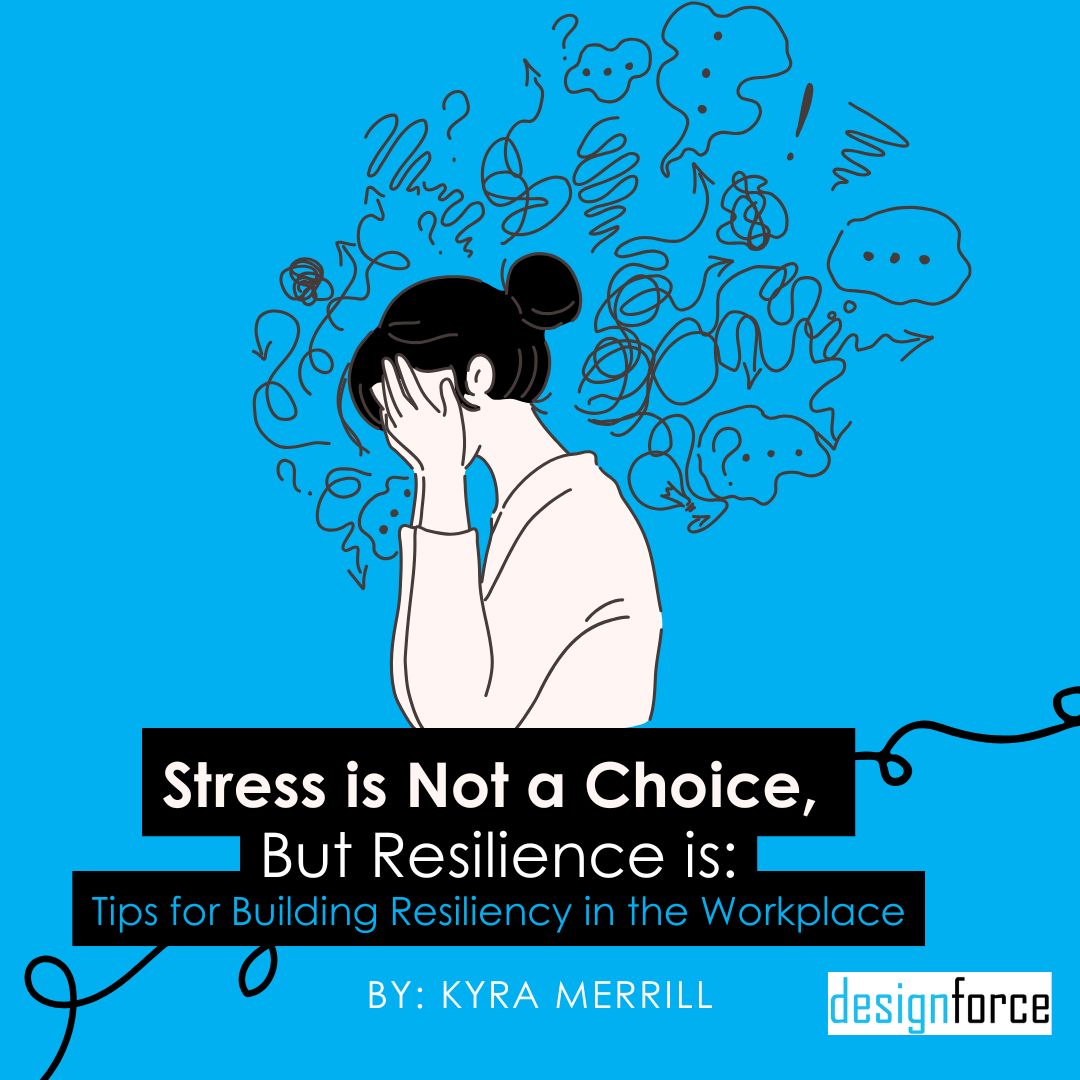
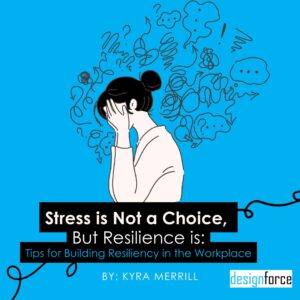
Stress is one of the most universal parts of the human experience. Everyone feels it. Even newborn babies experience stress. Trust me, I’m a four-time auntie!
It’s inevitable. Stress is the body and brain’s natural response to demand, challenge, or change in our environment. When we remember that, it becomes easier to give ourselves grace. These feelings aren’t a personal shortcoming; they’re part of being human.
So, in a world filled with competing priorities and constant deadlines, how do we balance managing stress while also building resilience? Of course, there are many forms of stress, but the one I want to focus on here is workplace stress. It’s natural, and often unavoidable, especially in the AEC industry. The nature of the work demands it. Many of the professionals I speak with operate under consistently high pressure: tight deadlines, accelerated plan turnarounds, frequent design changes, clients to support and satisfy, all on top of the massive weight of public safety resting on their shoulders. Engineers, in particular, perform a daily balancing act: managing countless moving pieces while striving to appear calm, composed, and certainly not like a cartoon dog sitting in a burning room.
We are all experiencing stress. The issue isn’t its presence; it’s what happens when it goes unmanaged. Left unchecked, stress can erode performance, diminish engagement, and negatively affect both individual wellbeing and team culture. The goal is not to eliminate stress. The goal is to manage it effectively. When we develop healthy coping strategies, we create space to focus more clearly, regulate our emotions, and respond thoughtfully instead of reactively. We transform stress from something that controls us into something we can navigate.
Proactive Stress Management
Proactive stress management means addressing challenges before they escalate. It requires open communication and a willingness to surface what is and isn’t working, so solutions can be implemented early.
Consistent 1:1 meetings with a PM or manager are one of the most practical tools available. When conversations around workload and capacity are normalized, it creates an open line of communication. Engineers and managers alike can speak honestly about capacity and wellbeing. If you already participate in regular 1:1 meetings, it’s important to make sure that they don’t become purely transactional status updates. Ask intentional questions. Take the temperature of how things actually feel. These conversations allow teams to identify pressure points early and adjust before burnout becomes inevitable.
Building Resilience
Even with proactive management, stress won’t always be caught early. This is where built resilience becomes essential.
Resilience is the ability to adapt, recover, and remain effective when facing adversity. It may look like responding to a significant project setback with clarity rather than spiraling into self-doubt. Or handling a last-minute deadline shift by reassessing priorities, communicating clearly about capacity, and revising a plan, rather than reacting with panic or frustration. This is what allows us to shift our response from reactive to reflective. But of course, these responses are easier said than done. They don’t happen overnight.
Speaking for myself, I have never been described as someone who is “naturally resilient.” But I have always deeply believed in the power of habits. Our thoughts shape our words, and our words shape our actions. One simple practice that has strengthened my own resilience includes giving myself two minutes to pause before responding to a stressful situation. That small window gives me space to breathe, think, and regulate before I respond reactively. I have also learned to listen to my body and actually take breaks when I need them instead of pushing through just to prove something to myself. Lastly, practicing gratitude consistently has helped me shift my mindset, especially on harder days. These habits are simple, maybe even a little cliché, but over time they can genuinely change how you handle pressure.
When we invest in resilience, we give ourselves the ability to move through demanding seasons without sacrificing our wellbeing. That’s a critical component of building a healthy, sustainable relationship with our work. And if you’re anything like me, you care deeply about doing your work well, showing up for your team, and being someone others can rely on. Resilience is what allows us to do all of that without running ourselves into the ground. It helps us stay steady, clear-headed, and grounded, even when the pressure is high.
Tips to Walk Away With!
Below, you’ll find 14 tried-and-true strategies (personally tested) to help you begin incorporating these practices into your day-to-day.
- Give yourself two full minutes before responding to a situation that spikes your stress. Set a timer if you need to. Notice how different you feel after 2 minutes. Almost nothing requires an instant reaction.
- If you are overwhelmed, write everything down. Getting it out of your head and onto paper immediately lowers the noise.
- Move your body at some point during the day. A ten-minute walk can reset your entire mood.
- Ask for help sooner than what may feel comfortable. That type of discomfort is usually pride.
- Set boundaries with kindness. “I can get this to you tomorrow morning” is a complete sentence!
- If you make a mistake, own it quickly and move on. The spiral is usually worse than the error.
- Celebrate. Small. Wins. I relearn this every day.
- If you are leading a team, normalize conversations about capacity. You go first.
- Do not let 1:1 meetings turn into status updates only. Ask how things feel.
- Create a simple end-of-day ritual. Shut your laptop, tidy your desk, mentally clock out.
- Log off when you say you will. Work will expand to fill the space you give it.
- Practice gratitude, especially on chaotic days. It shifts your lens.
- Remember that sustained pressure requires sustained recovery. Rest is not optional.
- Choose your response intentionally. You cannot control every situation, but you can control how you show up in it.
Change, uncertainty, and sustained pressure are inevitable in the AEC. Learning how to respond to them is not just helpful; it’s absolutely critical. How we respond to life’s challenges ultimately shapes who we become. By setting boundaries, cultivating healthy habits, and prioritizing our wellbeing, we build not only stronger professionals, but healthier teams and environments.
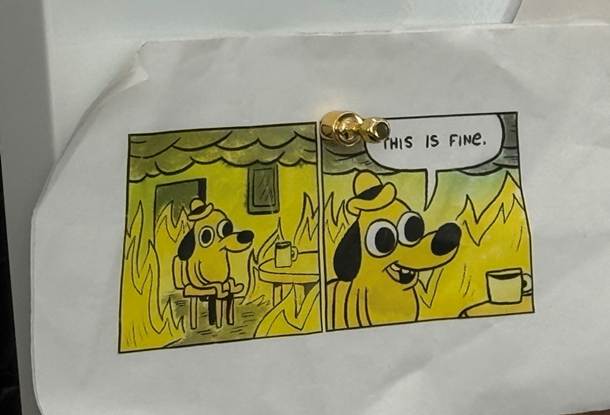
A very important artifact that hangs above my colleague Tasmia’s desk. This ancient document dates all the way back to the mid 2010’s. It is older than most 4th graders!
Related Posts





Let's learn together.
Stay inspired and in the know on all things A|E|C.
Sign up for our monthly newsletter.